Podcasts
Want to know more about PRECARE and physiology-guided advanced life support? Dr Natalie Kruit and Dr Samuel Bulford have created a series of podcasts dedicated to this advancing and fascinating area of medicine, in which they chat with world-leading experts about current and emerging resuscitation research, the physiology of the arrested patient and the approach of different pre-hospital systems around the world in the management of the out of hospital cardiac arrest patient – and much more.
Click the icons to listen to all episodes now on spotify and apple podcasts


New Episode
Past Episodes
Intro to PRECARE
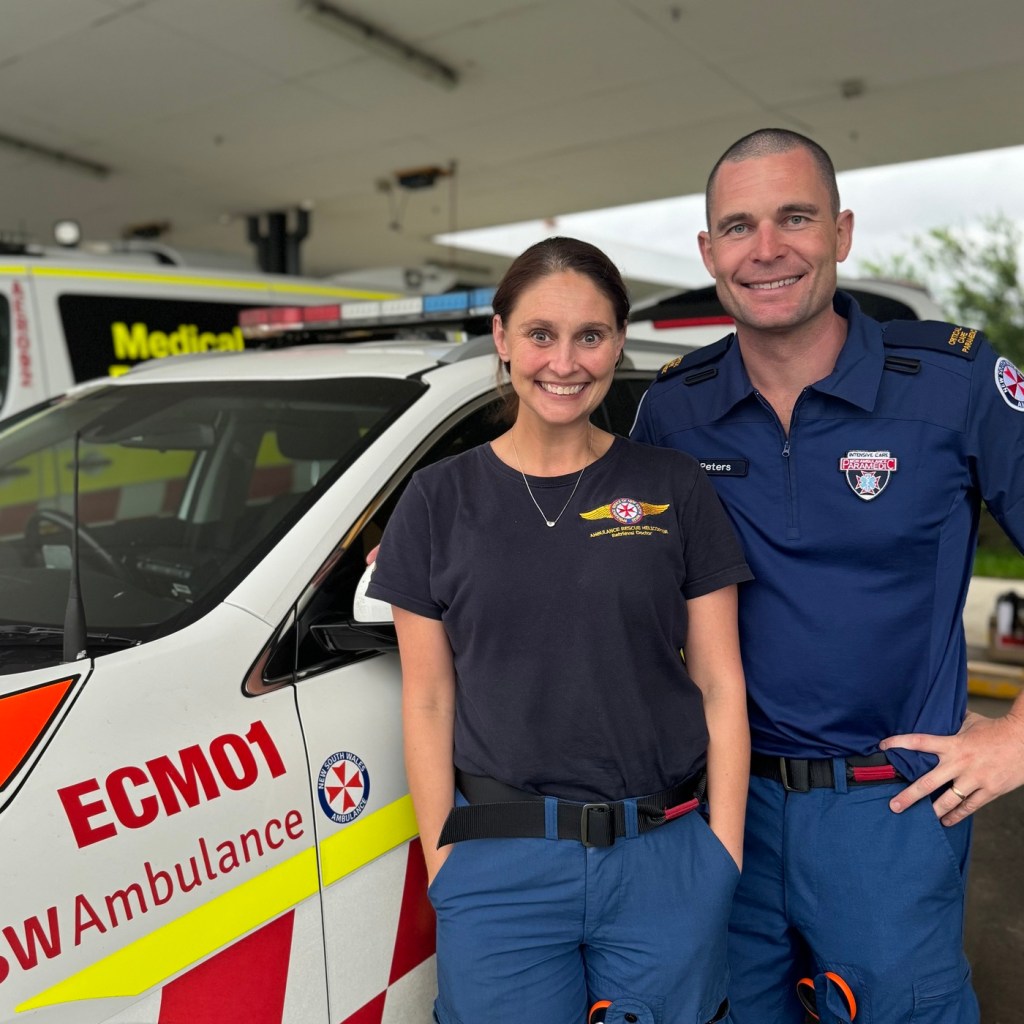
PRECARE in Sydney – what is it, why is it important, and how do we do it
Join Sam, Nat and Alex to discuss the early stages of the PRECARE pre-hospital ECMO trial in Sydney. Nat and Alex share their experiences in the creation and go-live of the trial, how to integrate into existing team workflows, as well as the challenges and successes encountered to date.
Intro Links
Episode 19
Prof Laurie Morrison
2025 ILCOR guidelines
Released March 30, 2026

We are thrilled to be again joined by Prof Laurie Morrison from Toronto, Canada. Laurie is an Emergency Physician and has dedicated her career to the research and improvement of out-of-hospital cardiac arrest care. To this end, Laurie is a member of ILCOR where she has previously been named a ‘Giant in Resuscitation’.
Join Laurie in conversation with Nat for part one of a two part episode discussing the latest 2025 ILCOR guidelines.
These guidelines are packed with concern given to CPR modes, effective defibrillation and the use of adrenaline to name but some. Who better to discuss this than Laurie herself, who with Nat spells out the guidelines to best help us all improve our cardiac arrest care.
Episode 19 Links
Episode 18
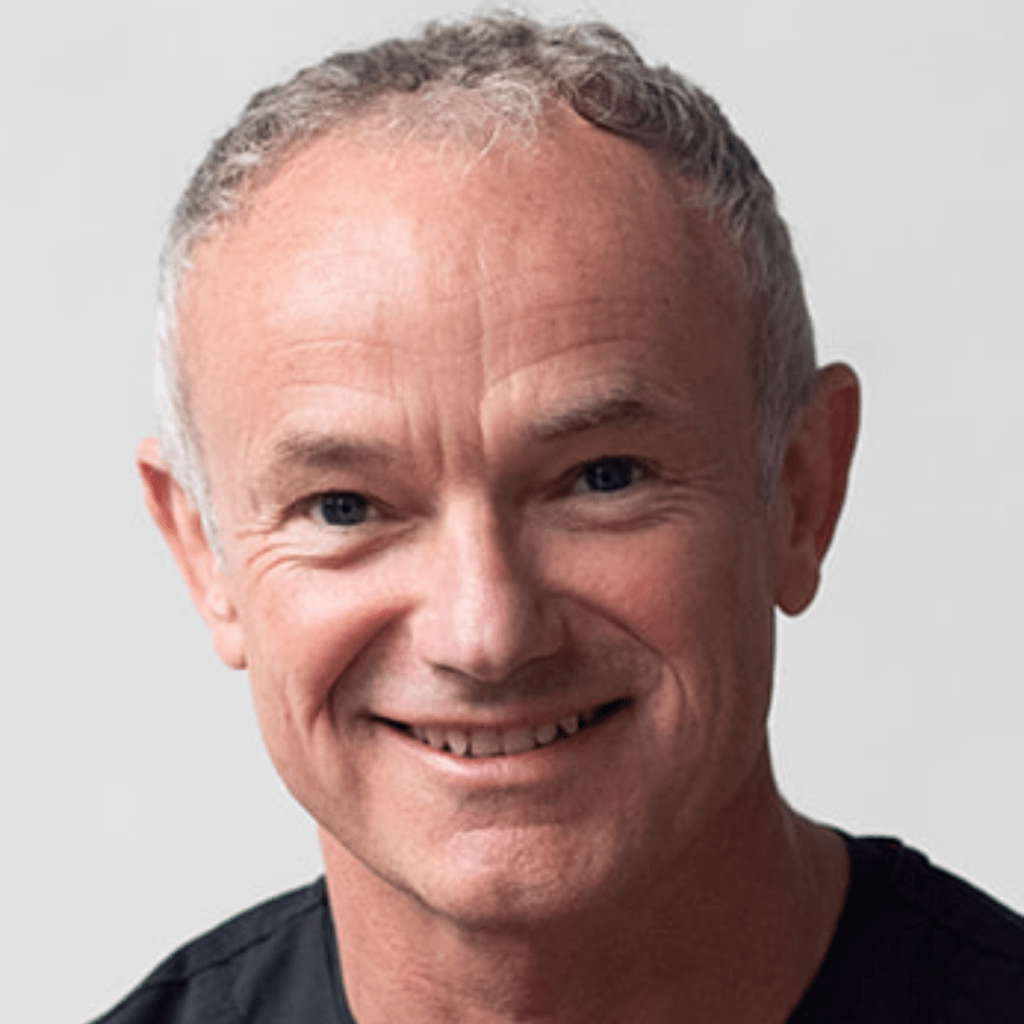
Dr Cliff Reid
PEA Arrests
Released March 16, 2026
Today is a cracker – we have our very own Dr Cliff Reid in conversation with Nat, discussing PEA. Now, anyone who knows Cliff will know he is passionate about many things, one of which is PEA – specifically the nomenclature around PEA and the differences between PEA patients, and thus how we treat them; not all PEAs are the same, and therefore the treatment considerations need to be equally as nuanced.
In this episode, Nat and Cliff break down different PEA cohorts, and use their own experiences to colour-in the fascinating discussion of this often over-looked subset of cardiac arrest patients.
A huge thank you to all those who listen to the podcast in NSW, Australia and beyond – we are so grateful for your continued encouragement and support.
Let’s continue to get excited about cardiac arrest, as we listen to Nat and Cliff discuss all things PEA.
Episode 18 Links
Episode 18
Dr Brian Grunau
Released February 10, 2026

Today we are joined by Canadian Physician-Researcher Dr Brian Grunau. Brian is an Assistant Professor at the University of British Columbia Department of Emergency Medicine and works clinically as an Emergency Physician at St. Paul’s Hospital in Vancouver, Canada. His research investigates methods to improve outcomes from out-of-hospital cardiac arrest, and in so doing he has received over $15 million in research funding and published over 190 peer-reviewed articles. Brian is a member of the International Liaison Committee on Resuscitation (ILCOR) Advanced Life Support Task Force, which creates resuscitation treatment recommendations.
In today’s episode, we specifically quiz Brian on the time dependent yields of conventional resuscitation vs eCPR initiation, as well as how a system can best promote cardiac arrest research at every step of the chain of survival.
Episode 18 Links
Episode 17
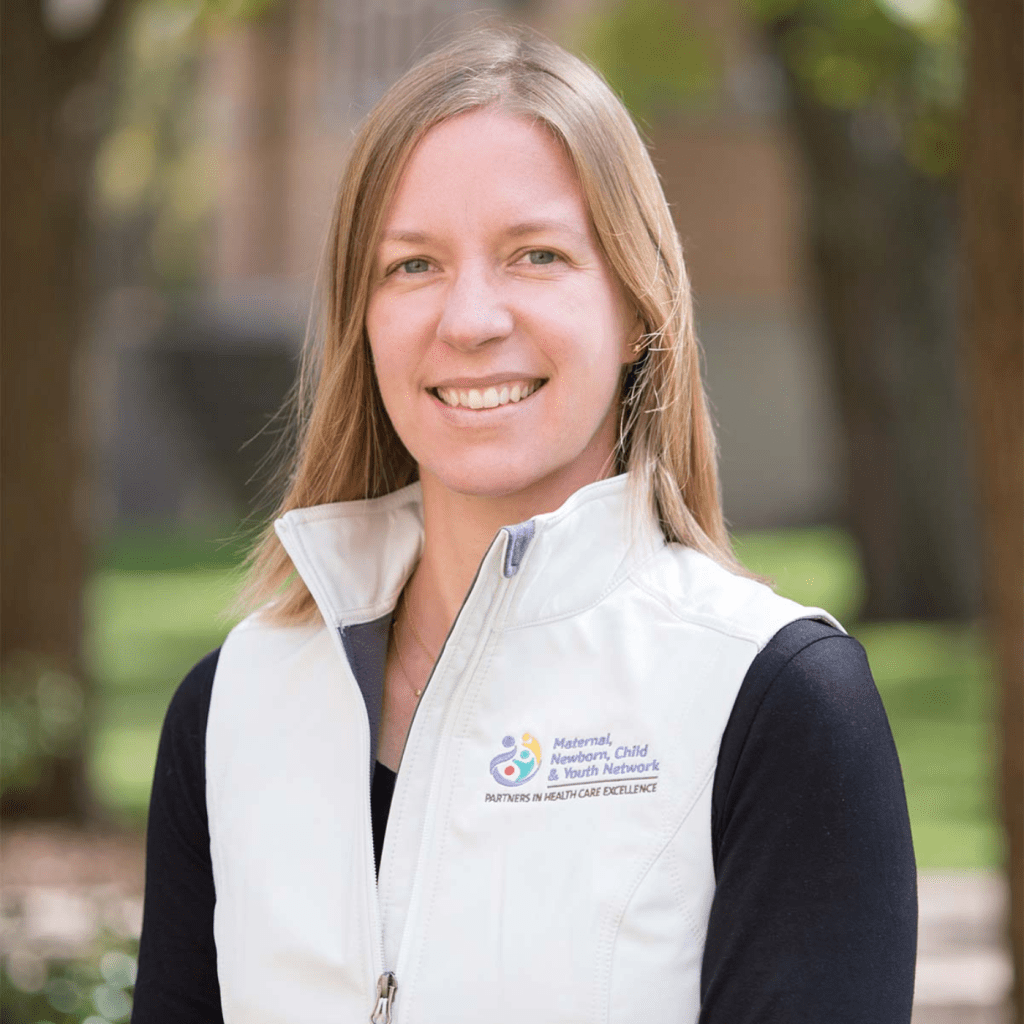
Dr Janice Tijssen
Released Jan 26, 2026
It is 2026, and we are kicking off with an episode of the cardiac arrest mini-series dedicated to paediatric cardiac arrest. Sadly Nat could not join, so instead Sam alone is in conversation with Dr Janice Tijssen.
Janice is a paediatric critical care physician from London, Ontario. Having trained in London (Ontario) and Toronto, Janice is now a member of the Paediatric Life Support Taskforce for the International Liaison Committee on Resuscitation (ILCOR) and is the medical director for her hospital’s Paediatric Advanced Life Support (PALS) education program. Too, Janice leads her hospital’s Paediatric Critical Care Outreach Team (PCCOT).
In this episode, we reflect on the changes in the recent ILCOR guidelines around paediatric cardiac arrest, as well as deep dive into some of the physiology of the arrested paediatric patient, asking both how can we prevent arrest, and how can we optimise the arrested physiology to best achieve sustained ROSC.
We sure hope you enjoy this episode, there is a lot in here for any paediatric critical care provider.
Episode 17 Links
Episode 16
Paris Rescue Team Part 2
Released December 22, 2025
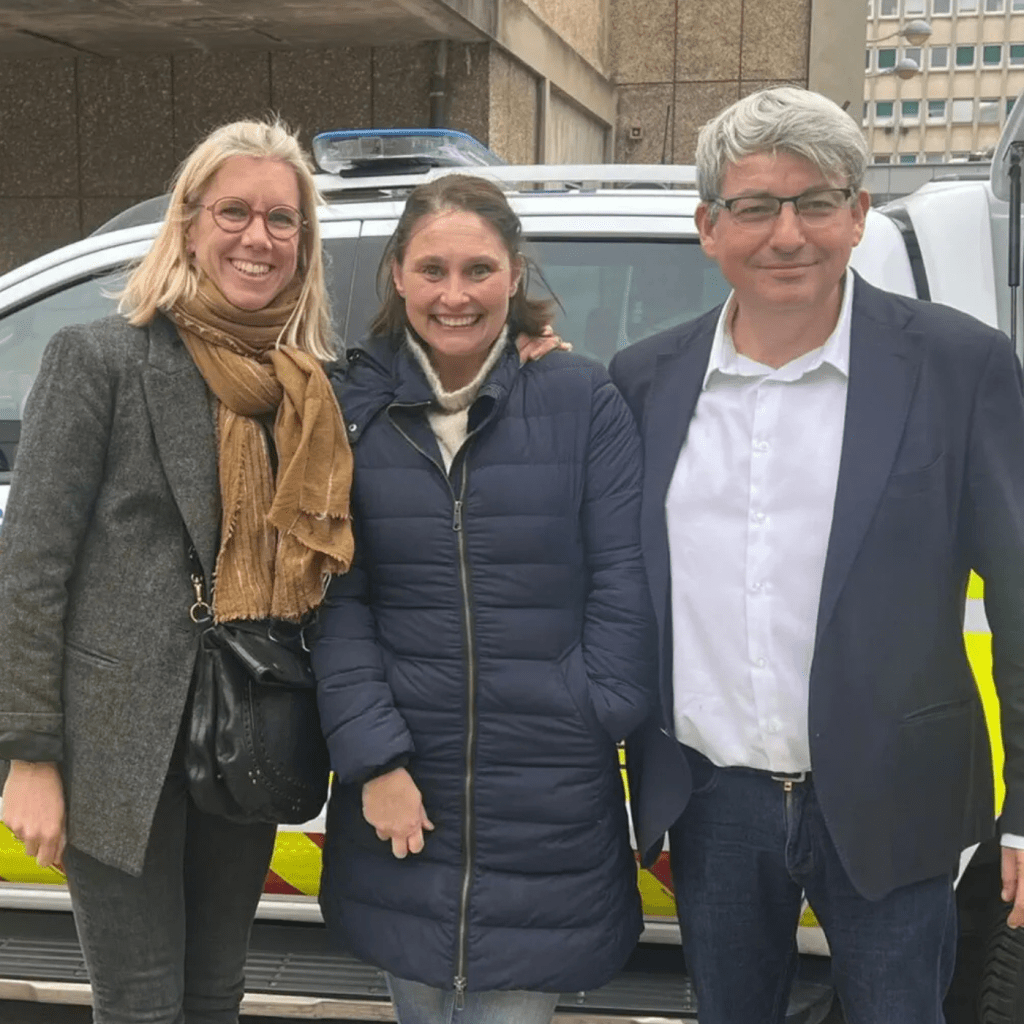
This is part two of our conversation with the pre-hospital ECMO team from Paris, France.
Following part one, in this part two we continue to chat with Alice and Lionel about their extended research in the out-of-hospital cardiac arrest space, including but not limited to rapid cooling and ventilation strategies.
Too, we discuss the cultural reluctance of systems to further adopt pre-hospital ECMO, as well as share some tips for those systems considering embarking on ECMO provision.
As 2025 draws to a close, thank you sincerely for listening throughout 2025, and we cannot wait to talk again in 2026.
Episode 16 Links
Episode 15
Paris Rescue Team – Part 1
Released December 8, 2025
This episode is a big one. We have the absolute privilege of speaking to the Dr Alice Hutin and Prof Lionel Lamhaut from the pre-hospital ECMO team in Paris, France.
The team, part of the Service d’Aide Medical d’Urgence (aka SAMU) in Paris, have been performing pre-hospital ECMO for OOHCA since 2011. For the past 10 years, the team have been available 24/7, working in concert with the pre-hospital ICU team dispatched to cardiac arrests in the greater Paris region.
Truly ground-breaking, Alice and Lionel join us to reflect on over a decade of pre-hospital ECPR care, system implementation and challenges. Too, and perhaps most significantly, Alice and Lionel reflect on the extent to which the pre-hospital ECPR service has influenced every step of the chain of survival in the Paris system – promoting high quality basic and advanced life support at multiple levels within the pre-hospital response.
Too, Sam does not shy away from asking some tough questions around just who should be performing ECPR – high specialised, limited access services or should this therapy be adopted and delivered more widely.
This is part one of a two part episode, and is an absolute cracker.
Episode 15 Links
Episode 14
Dr Caroline Leech
Released November 24, 2025
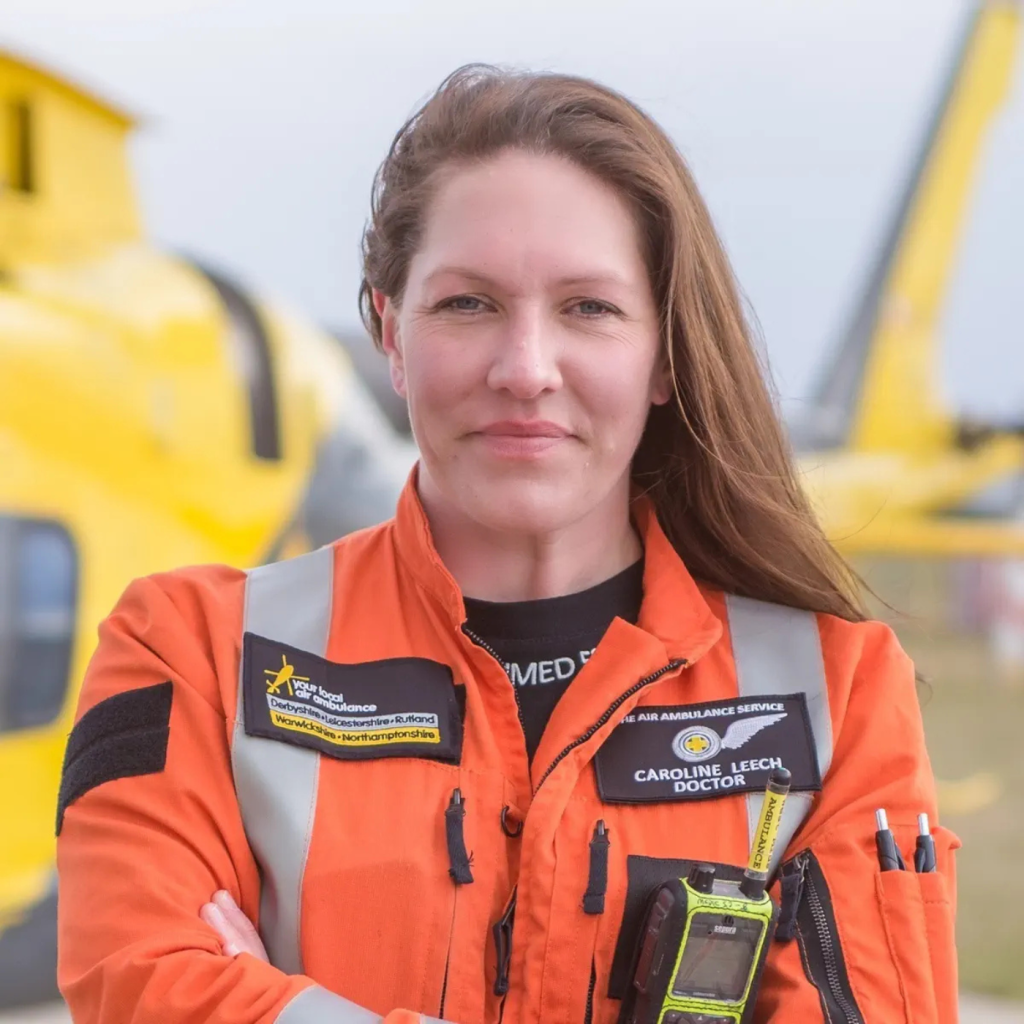
In this episode 14, Nat is joined by Dr Helen Oliver in conversation with Dr Caroline Leech from the UK. Caroline is an emergency and pre-hospital physician who’s academic interest focuses on maternal cardiac arrest. Specifically, Caroline’s work concerns resuscitative hysterotomy; the when, the how, and the what to do after performing this HALO procedure.
Additionally, Nat, Helen and Caroline discuss the physiology of maternal cardiac arrest and how we can best optimise our holistic resuscitation care as well as some of the ethical considerations surrounding this very challenging and confronting circumstance.
We hope you enjoy this challenging episode, and of course share widely with your network.
Episode 14 Links
Episode 13
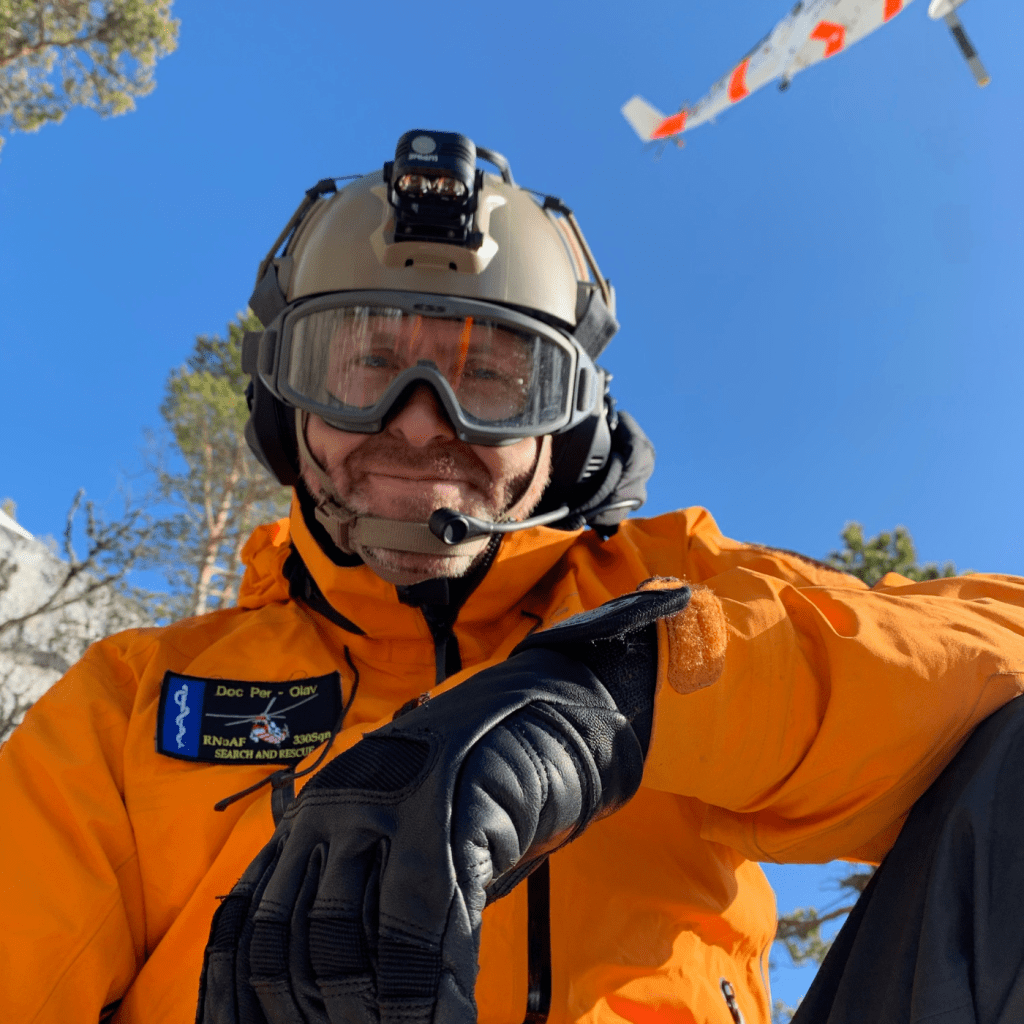
Released November 10, 2025
Continuing the conversation from Part 1, Nat and PO discuss physiological markers of ALS effectiveness as well as broach how to most judiciously use adrenaline during cardiac arrest. Too, PO dives into how to use the end tidal capnogram as a marker of CPR effectiveness – and it is not how you may think!
Of course, this would not be a Sydney HEMS debrief episode without talking about eCPR and ventilation during CPR – the later being a favourite topic of Nat’s for sure.
As ever, thanks for listening and chat again soon.
Episode 13 Links
Episode 12
Dr Per Olave Berve – Part 1
Released March 30, 2026
We have here part one of two in conversation with Dr PO Berve from Norway. PO is an Anaesthetist and Pre-Hospital physician from Oslo where he works on the physician response car of the region. PO’s research has been absolutely fundamental to the modern understanding of CPR physiology and the haemodynamics of the arrested patient, and his work is rightly lauded as critical in the practice of physiology-guided resuscitation.
Have you ever wondered what happens during one chest compression? In this episode, Nat deep-dives with PO into the physiology of the arrested patient – specifically what happens, or what should happen, during one perfect chest compression. It’s a fascinating conversation not to be missed by anyone with an interest in performing high quality resuscitation tailored to a specific patient.
Episode 12 Links
Episode 11
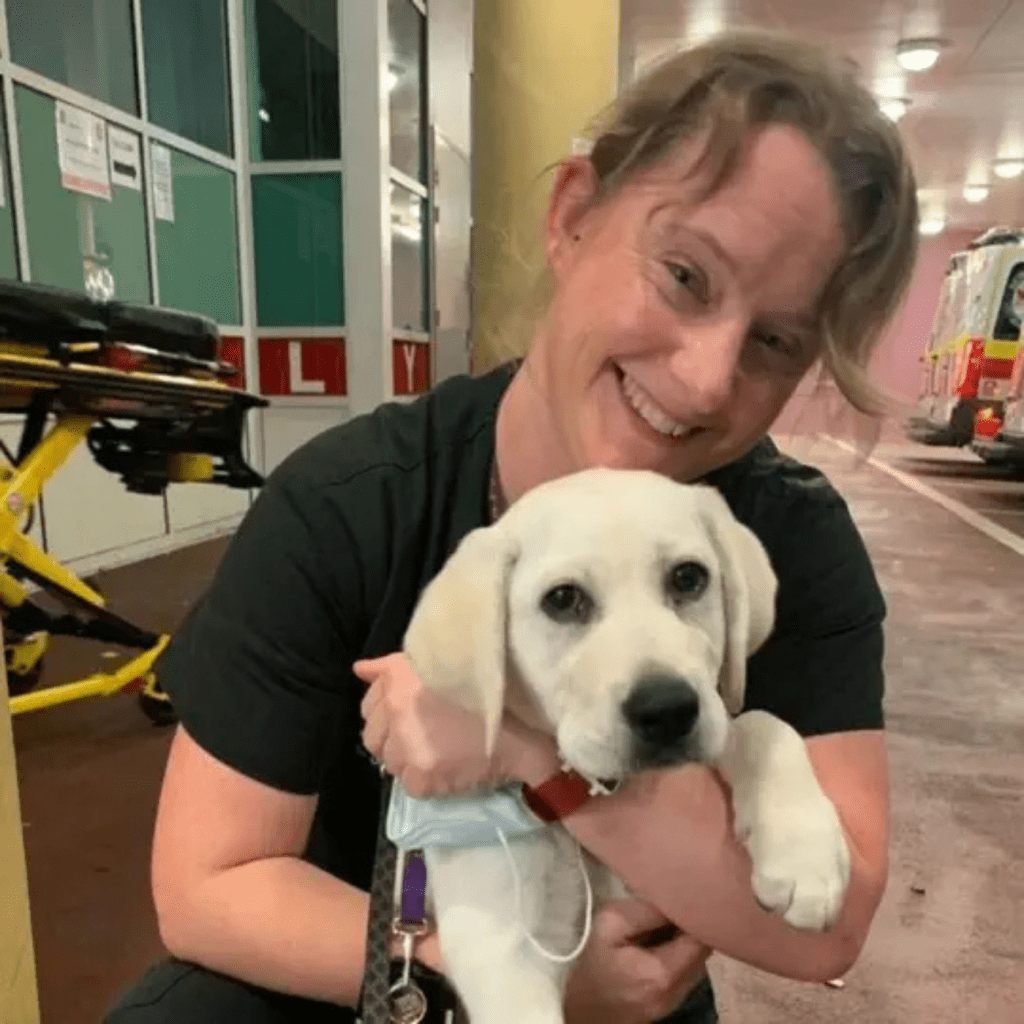
Dr Una Nic Ionmhain
Released September 14, 2025
we are pivoting towards toxicology. Specifically, we discuss some of the more common toxidromes encountered pre-hospitally, how they cause cardiac arrest, and what providers – in particular pre-hospital providers – may do in order to best resuscitate these patients.
In addition to some broader and very applicable learning themes pertinent to any toxidrome, we discuss
- Beta-blockers
- Calcium channel blockers
- Amitriptyline
- Quetiapine
- …and more
Of course we are not doing discussing this alone. We are so luck to be joined today by a clinical toxicologist, Dr Úna.
Dr Úna Nic Ionmhain graduated from Trinity College Dublin, and subsequently trained in Emergency Medicine in Perth. She completed a Pre Hospital and Retrieval Medicine year with CareFlight NSW as well as a poisons fellowship. She is now a staff specialist FACEM at Liverpool Hospital NSW, and a clinical toxicologist with the NSW Poisons Information Centre. She has an academic interest in HIET in toxicology for cardiogenic shock, which was the focus of her masters thesis, and is a passionate educator with a particular interest in cardiotoxicity.
Episode 11 Links
Episode 10
Dr Mike Lauria – Part 2
Released August 24, 2025
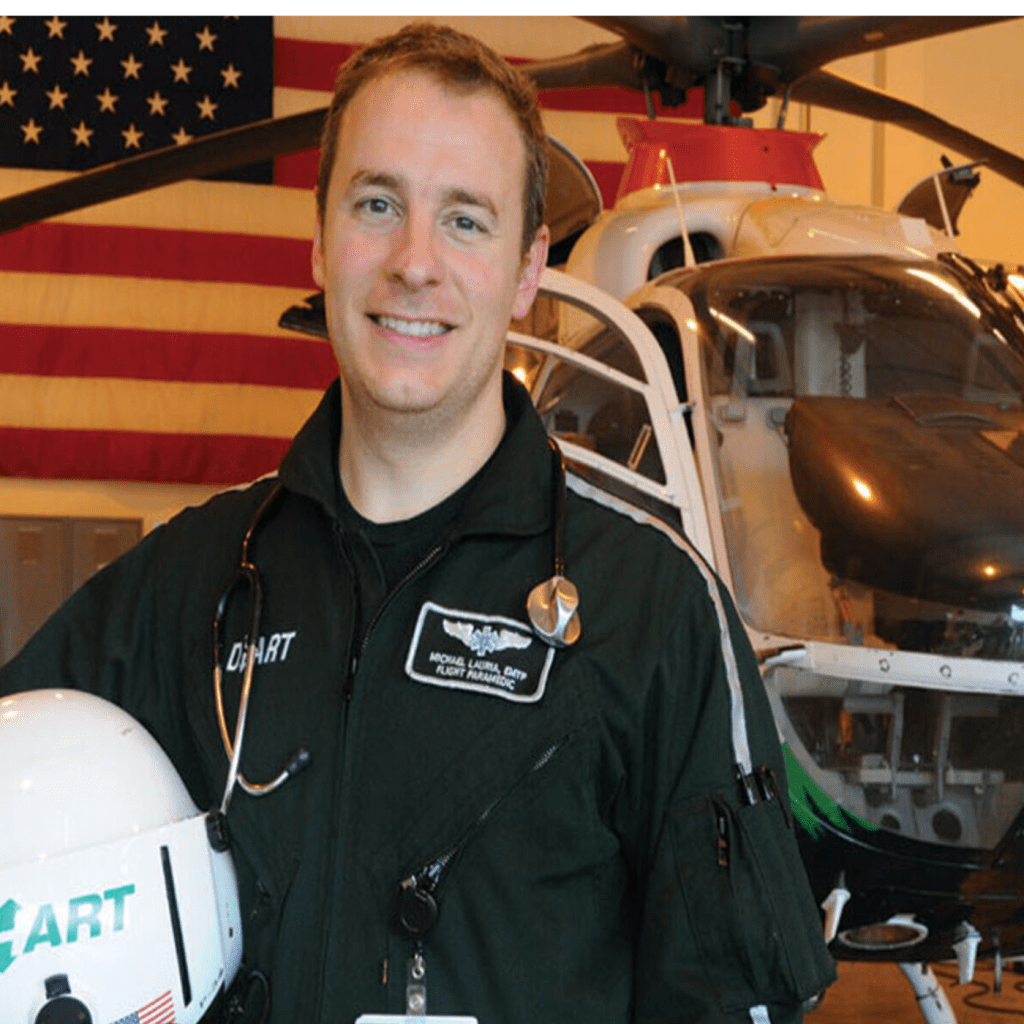
This is part two of our conversation with Dr Mike Lauria.
Join us as Nat and Mike continue to delve into team performance. In this episode, Nat and Mike discuss human factors gold including but not limited to how to accept imperfection and continue to deliver optimal team performance when things are going south, how to instil calm in a team whilst maintaining the momentum of care, and how to adapt and pivot whilst maintaining optimal process.
Of course, there is much much more and so we hope you enjoy this episode, and share it far and wide.
Episode 10 Links
Episode 9
Dr Mike Lauria – Part 1
Released August 18, 2025
In this part one of two episodes, we are pivoting away from the technical towards human factors and team performance. In doing this, we are thrilled to be joined by Dr Mike Lauria.
Mike is a human factors legend. Prior to becoming a Doctor, Mike served as an elite Pararescueman in the 321st Special Tactics Squadron during which time he won numerous service awards. Then, Mike became the lead instructor of a tactical training group before moving back to New Hampshire to work as a Critical Care and Flight paramedic. If that wasn’t enough, Mike then went to and graduated from Medical School before completing his residency in Emergency Medicine, as well as fellowships in EMS and Critical Care, at the University of New Mexico Health Science Center.
Currently, Mike works as an attending critical care and EMS physician at the University of Washington, and is the Associate Medical Director at Airlift Northwest.
Suffice to say, Mike brings an exceptional wealth of experience and perspective on what constitutes a high performing team and a high performing individual, and the factors required to maintain operational momentum even during unfavourable circumstances. Nat and Mike discuss this and much more in what are two episodes full of absolute gold.
I predict these episodes will become mandatory listening for human factors and team performance enthusiasts, and rightly so.
Episode 9 Links
Episode 8
Michael Heller
Released March 30, 2026

This week, we are very excited to deep dive into defibrillation. Join us as we talk through the physics of defibrillation, what is needed to get defibrillation as good as it can be, and what to do when defibrillation is simply not working.
We are delighted to be joined this week by Michael Heller. Michael is a paramedic by background, who now works as a medical engineer focused on defibrillation. Michael studied Rescue Engineering in Germany, and combining his clinical background is now a defining expert voice on defibrillation, and an excellent educator.
Too, we are delighted to be joined again by CCP Jackie, the educator for the Sydney pre-hospital ECMO/cardiac arrest car. In this episode, Jackie reflects on her experience backing up crews attending cardiac arrests, and how this experience has shaped her appreciation of the importance of good and judicious defibrillation, the barriers to making this happen, and how we as providers can all improve our defibrillation practice.
Episode 8 Links
Episode 7
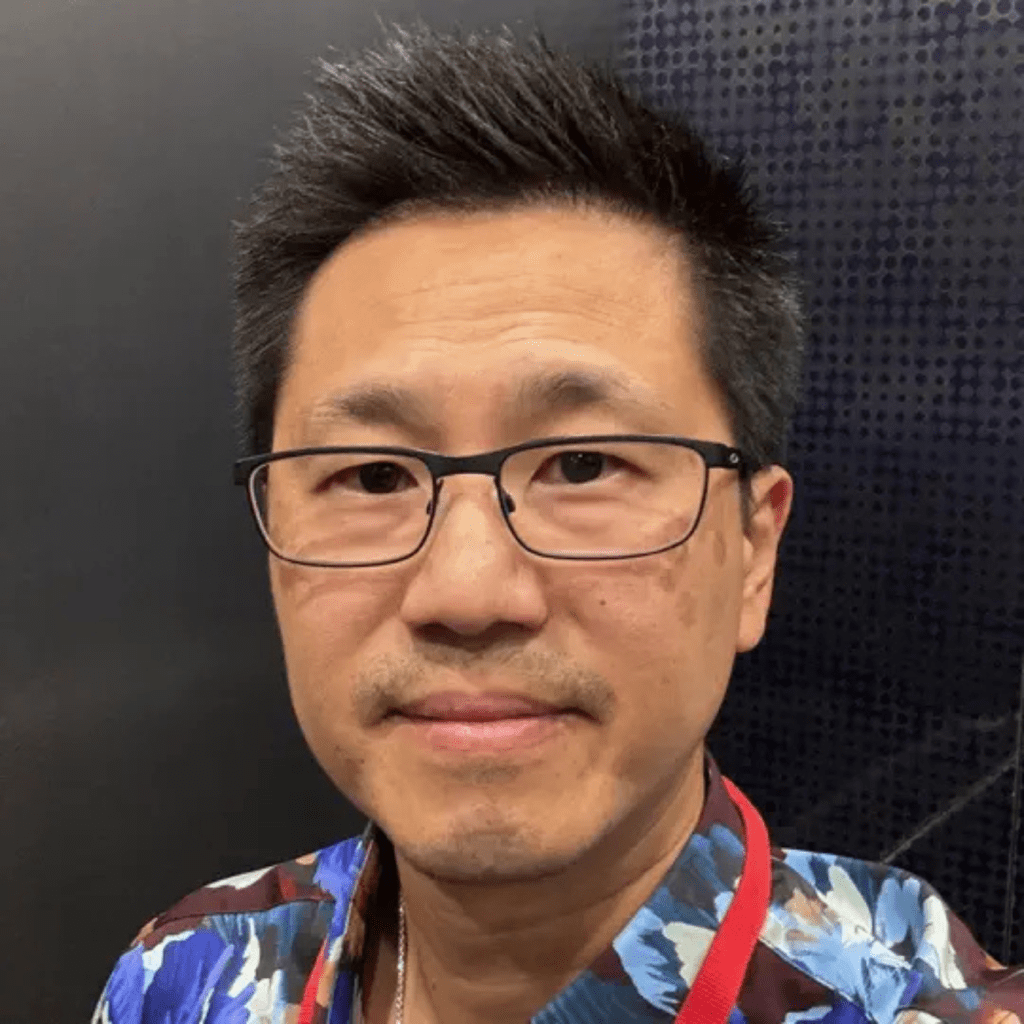
This week, we are joined by a Sydney local – Prof Jimmy Chien, as we talk about PE in cardiac arrest.
Jimmy is a Senior Staff Specialist (Senior Consultant) in Respiratory Medicine, with a sub-speciality focus on pulmonary embolism. Jimmy has been fundamental in the creation of the PE emergency response team at his tertiary facility in Sydney, as well as in the roll-out of similar multi-disciplinary teams across Australia. On a daily basis, Jimmy and his team encounter the most challenging PE patients – those with intermediate or high risk PE, as well as those in arrest.
In this episode, Nat, Jimmy and I unpack how a PE causes an arrest, how to ascertain if a patient has arrested secondary to a massive PE, the therapies available to those patients who have arrested due to a known or suspected PE, and the role of mechanical support including ECMO. Too, we quiz Jimmy on where the literature is taking us to help manage this cohort of patients, as well as some of the emerging post-therapy care plans.
Jimmy is a wealth of knowledge, and we sure hope you enjoy the episode as much as we did recording it.
Episode 7 Links
Episode 6
Dr Felipe Teran
Released July 13, 2025
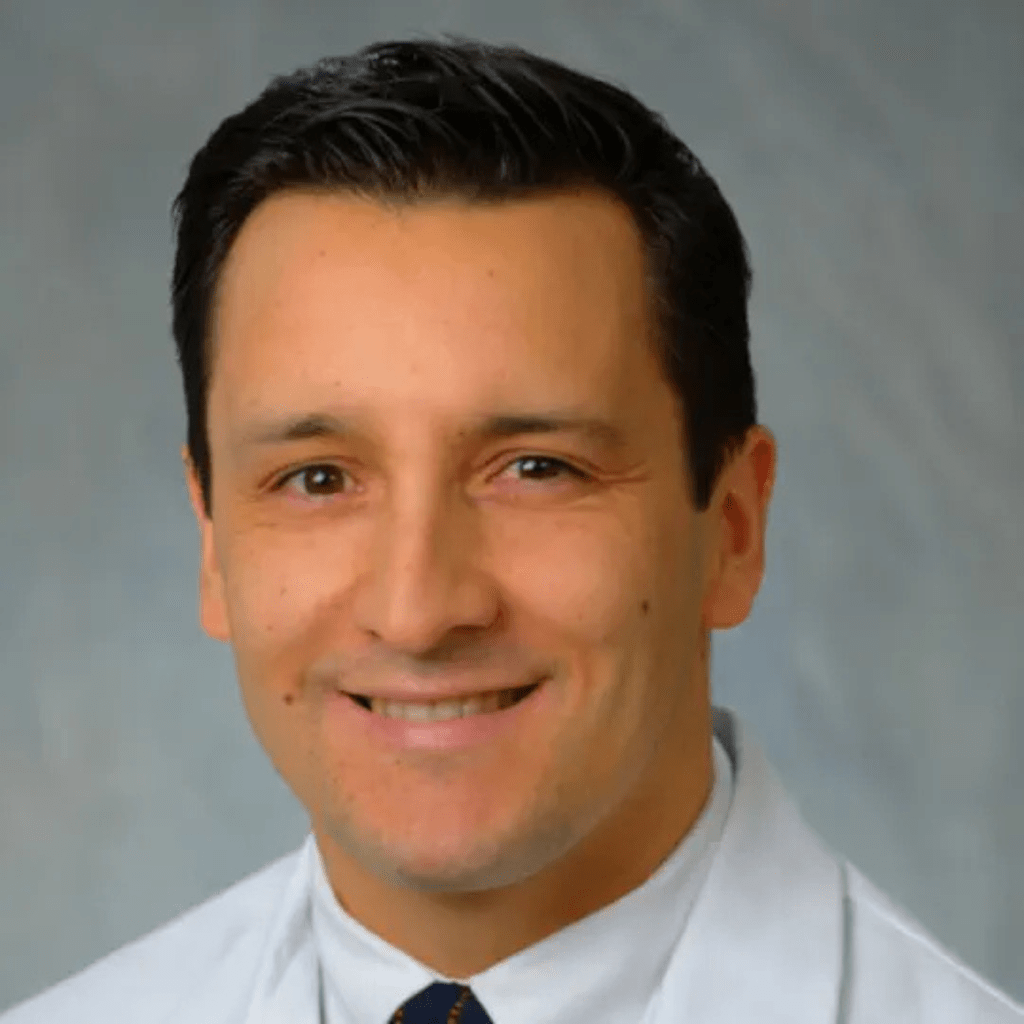
This week, we are joined by Dr Felipe Teran from New York, discussing trans-oesophageal ECHO (TOE) in arrest.
Felipe is an Associate Professor of Emergency Medicine at Weill Cornell Medical College, New York. Additionally, Felipe is a clinical scientist and educational leader specifically focused on the utility and application of TOE during cardiac arrest. Indeed, Felipe is leading the way integrating this intervention into ACLS efforts.
In this episode, myself (Sam), Nat and CCP Jackie chat with Felipe about the literature to date demonstrating the application of TOE in arrest to best optimise chest compression position to promote forward flow. In so doing, resuscitation providers can attempt to avoid a left ventricular outflow tract obstruction, and are better able to continually assess the effectiveness of ACLS – noting that the heart can change position throughout arrest.
Additionally, Nat talks about her and the team’s experience of pre-hospital TOE within the New South Wales Ambulance system, in particular how TOE can be utilised as part of a toolkit of assessment during arrest to assess the effectiveness of a resuscitation – even in the absence of placing a patient onto ECMO. Linked to this, Jackie describes the effect of live physiologic guidance and feedback to the paramedic workforce in New South Wales.
Episode 6 Links
Episode 5
Prof Laurie Morrison
Released July 6, 2025
As we continue to discuss cardiac arrest, this week we talk with Prof Laurie Morrison from Toronto about:
- How to integrate cardiac arrest research into an existing systems
- How to gather and interpret physiologic data during arrest – particularly ventilation data – and what to do with this data to optimise arrest care
- How to be a leader in this research field
Prof Morrison is an academic and Clinical Scientist in the Division of Emergency Medicine, Department of Medicine at the University of Toronto and Sunnybrook Health Sciences Centre. Her program of research focuses on the evaluation and implementation of time sensitive interventions in acute emergencies, including cardiac arrest.
Laurie is a member of ILCOR, where she has been named a ‘Giant in Resuscitation’. Outside of ILCOR, Laurie has led the way establishing ‘Rescu’ – a collaborative prehospital research network wherein investigators conduct randomised controlled trials and outcome validation studies in resuscitation research. Laurie continues to provide leadership to several committees including the network of Canadian Emergency Medicine Researchers, and she has has received honorary membership to the European Resuscitation Council for life time achievement in resuscitation science.
Episode 5 Links
Episode 4
Dr Hans van Schuppen – Part 2
Released June 29, 2025
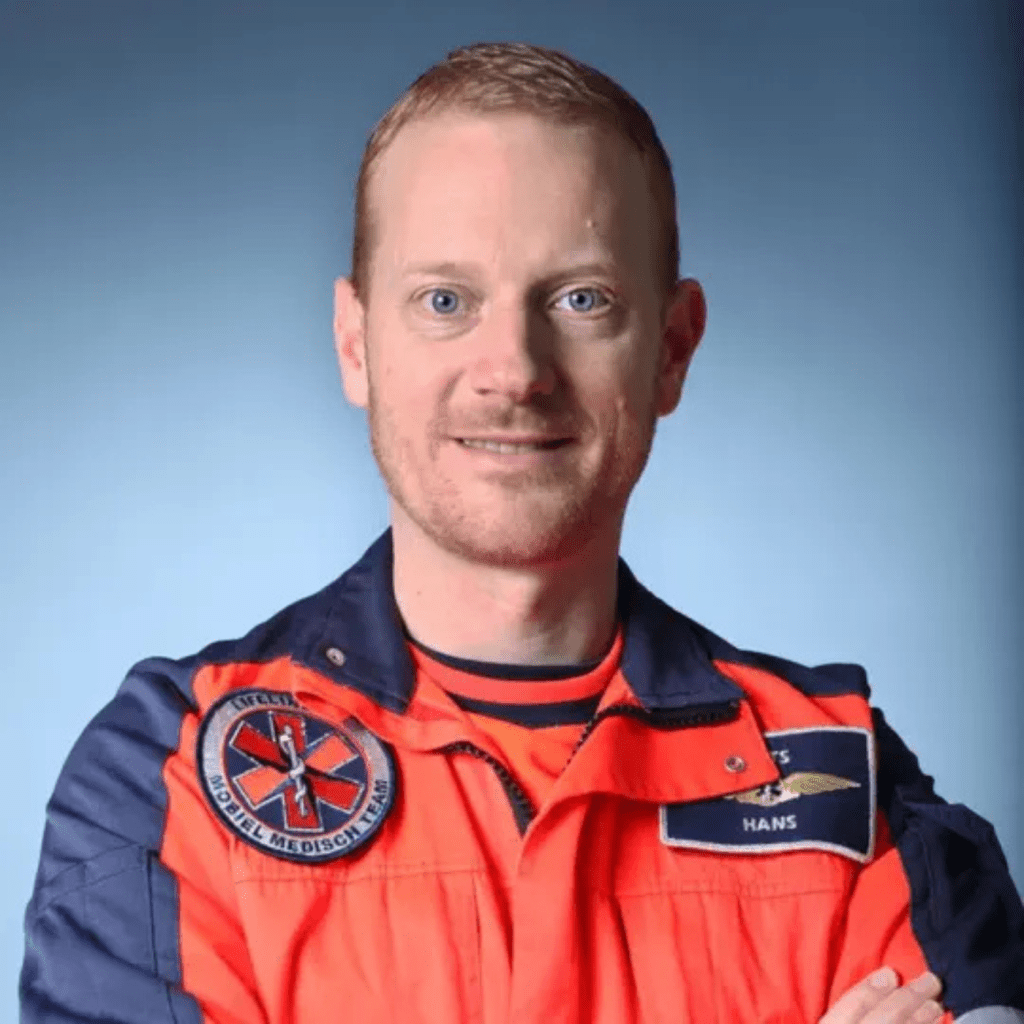
This is the second half of our chat with Dr Hans van Schuppen from Amsterdam as we put the P back into CPR.
In today’s episode, we discuss amongst other things:
- Lung recruitment intra-arrest
- The impact of tidal volumes during arrest
- To PEEP or not to PEEP during arrest
- How to use ventilation to prevent acidosis during arrest
Join now as we continue to pick Hans’ brain, and as ever we hope you enjoy this and subsequent episodes.
Please remember to hit subscribe!
Here is a link to the text Hans’ references concerning common terminology of ventilation during cardiopulmonary resuscitation: https://pubmed.ncbi.nlm.nih.gov/39848430/
Episode 4 Links
Episode 3
This is episode 3, and today it is all about ventilation during arrest. It is time to put the P back into CPR. Ventilation has been neglected in cardiac arrest management, and this two part episode focuses on how ventilation can not only help achieve a ROSC but the importance of ventilation too in achieving neurologically intact survival
- We debate 30:2 or continuous ventilation and the merits of LMA vs intubation vs BVM
- We talk about the complexities of heart lung interactions
- Where the research is heading in understanding how best to ventilate these patients
We are delighted to be joined by an absolute expert in this area, Dr Hans van Schuppen from Holland.
Hans is an anesthesiologist and HEMS physician at the Amsterdam University Medical Centre. Hans is a combined researcher, clinician and leader. He is an ERC Advanced Life Support Course Director, co-founder of the ResusNL conference, member of the expert group on national ambulance guidelines on resuscitation and is a member of the jury of the Dutch National Resuscitation Competition. As a member of the Dutch Resuscitation Council, he co-authored the national resuscitation guidelines, and helped to develop and implement a nationwide standard operating procedure for the handover of out-of-hospital cardiac arrest patients.
Currently, Hans is the chair of the Medical Committee and board member of the Dutch Resuscitation Council. His research evolved into a formal PhD with the ARREST (AmsteRdam REsuscitation STudies) group and the department of Anesthesiology, resulting in his thesis “Prehospital Advanced Life Support”. He now serves as director of resuscitation science of ARREST and works towards close collaboration between clinical care, education, research and innovation in resuscitation.
We could not stop talking to Hans, so be sure to listen to part 1 & 2 for the full chat!
Episode 3 Links
Episode 2
Dr Thomasso Scquizzato
Released June 15, 2025
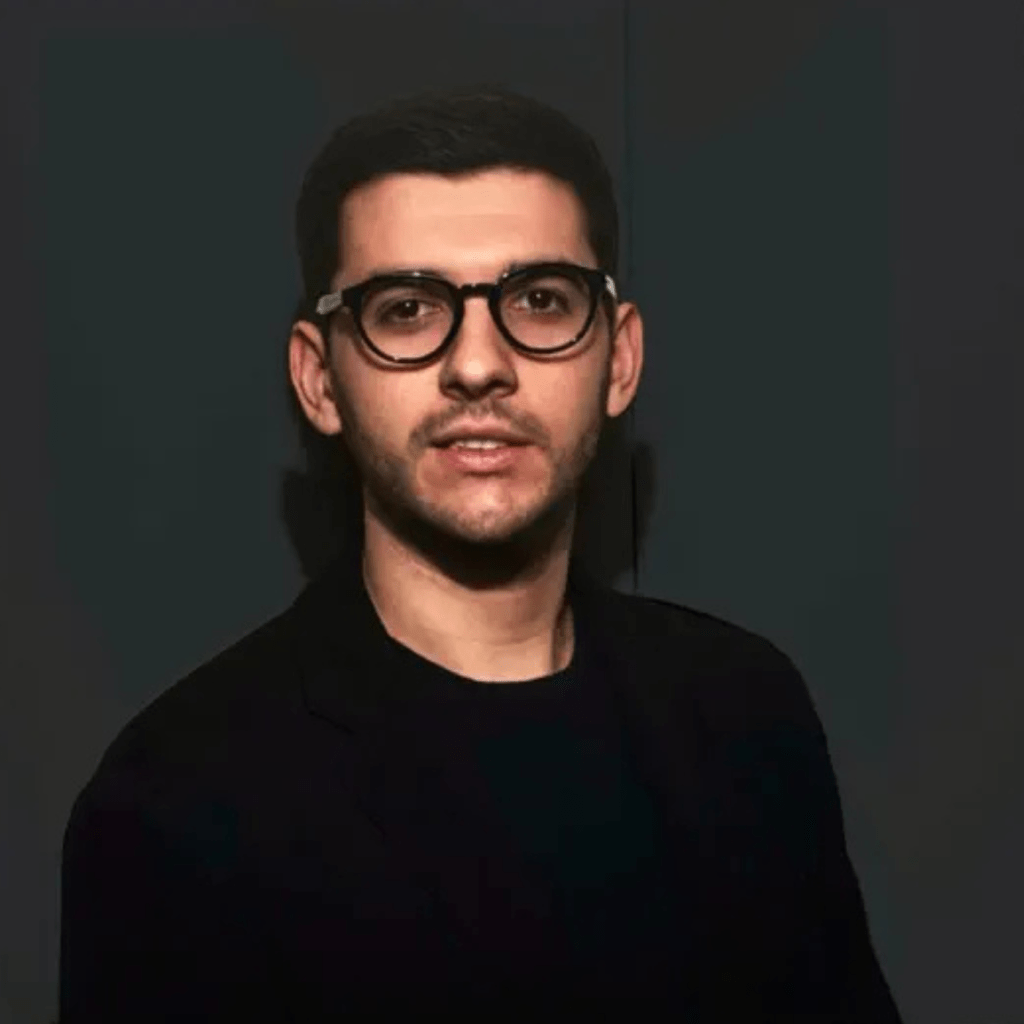
In the second episode of this series, we talk to Dr Tommaso Scquizatto from Milan, Italy. Tommaso is a Doctor, researcher and innovator in cardiac arrest, resuscitation, and emergency critical care medicine. He works in the Department of Anaesthesia and Intensive Care at IRCCS Ospedale San Raffaele in Milan, Italy, where he leads cardiac arrest research and innovation.
His clinical and research efforts focus on improving the entire chain of survival for out-of-hospital cardiac arrest, from prevention to advanced resuscitation, including the use of extracorporeal life support and novel technologies. He serves on the Advanced Life Support (ALS) Task Force of the International Liaison Committee on Resuscitation (ILCOR) and the 2025 Guidelines Working Groups for BLS, ALS, and extracorporeal CPR of the European Resuscitation Council (ERC). He is also an editorial board member and social media editor for Resuscitation and Resuscitation Plus.
With Tommaso in this episode, we talk about targeted physiology in cardiac arrest included targeted diastolic blood pressure, Tommaso’s research, and how systems and workflows may adapt to incorporate new intra-ACLS interventions such as transoesophageal ECHO.
Episode 2 Links
Episode 1

Dr Paul Rees
Released June 9, 2025
We have the privilege of talking with Dr Paul Rees. Who better to talk all things myocardial perfusion and it’s optimisation during cardiac arrest than an interventional cardiologist and pre-hospital physician. Paul explains the physiology of cardiac arrest from an interventional cardiologist perspective as we ask him the hard questions on:
- Optimal diastolic blood pressure thresholds to improve ROSC
- The role of adrenaline in improving coronary artery perfusion, the downside to it’s administration and the potential alternatives
- The role of selective aortic aortic arch perfusion (SAAP), the current ERICA study and the potential for this procedure to improve cardiac arrest survival
- The key elements in building a successful endovascular resuscitation program for those services wishing to embark on ECPR and/or REBOA
Episode 1 Links
The Sydney HEMS Cardiac Arrest Series Podcast is delighted to be sponsored by Corpuls – delivering high-tech and innovative equipment for emergency and intensive care medicine for over 35 years.

 PRECARE